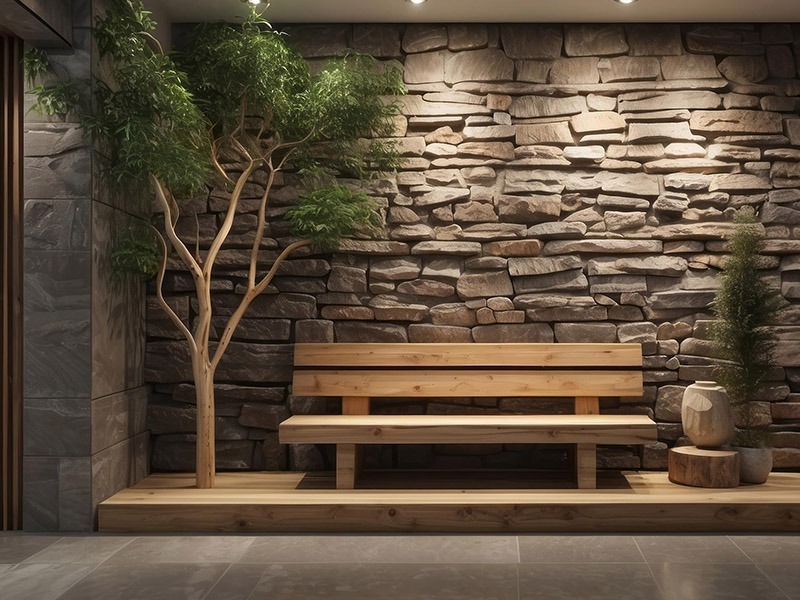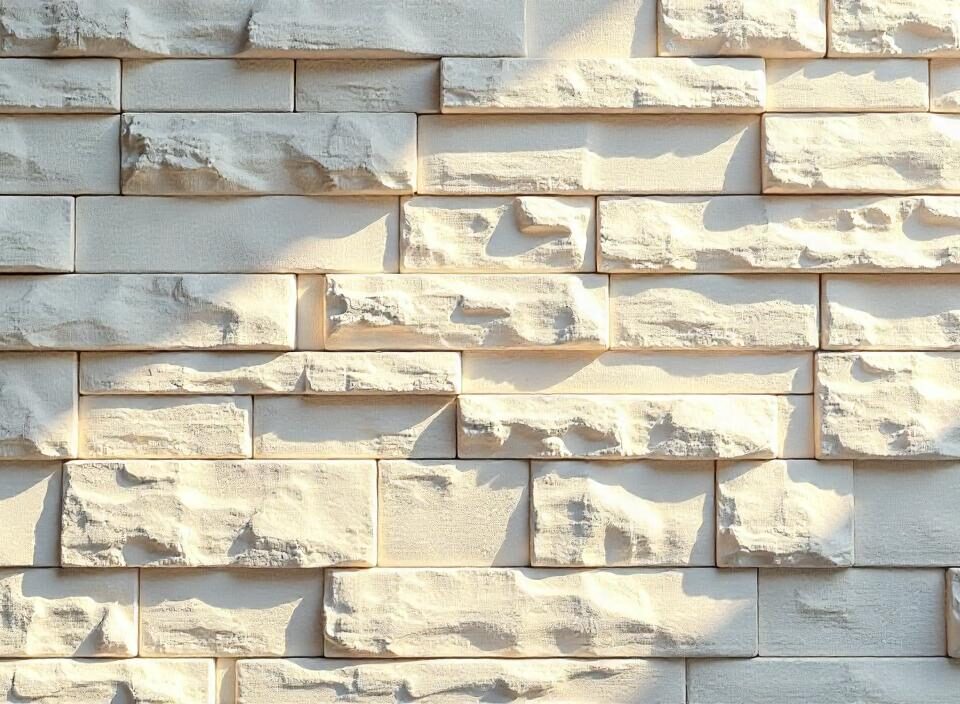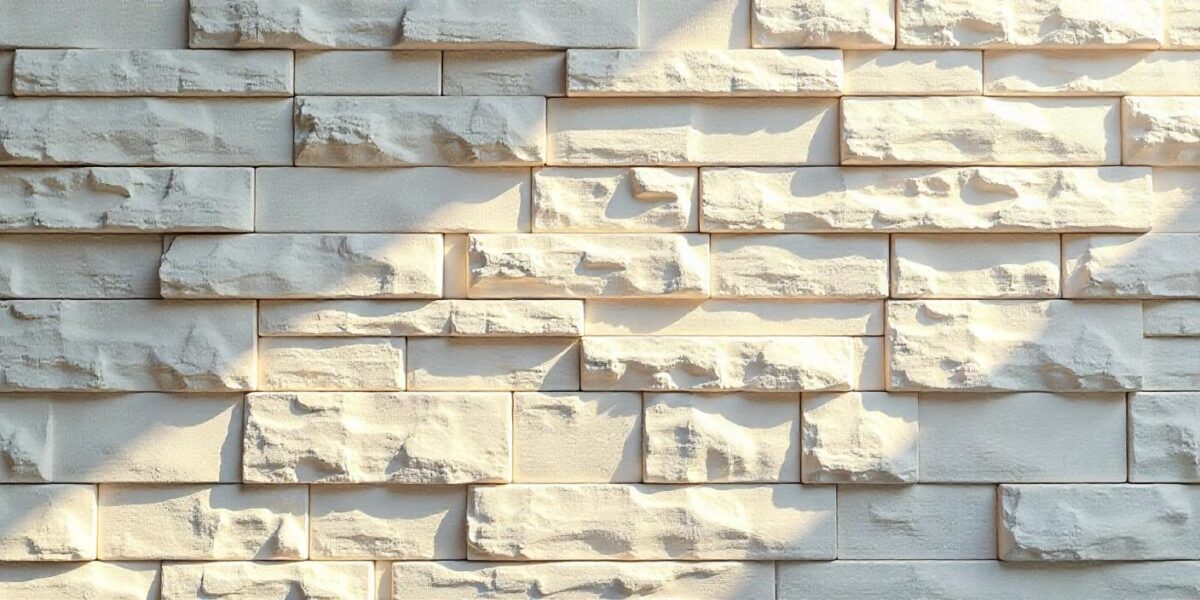
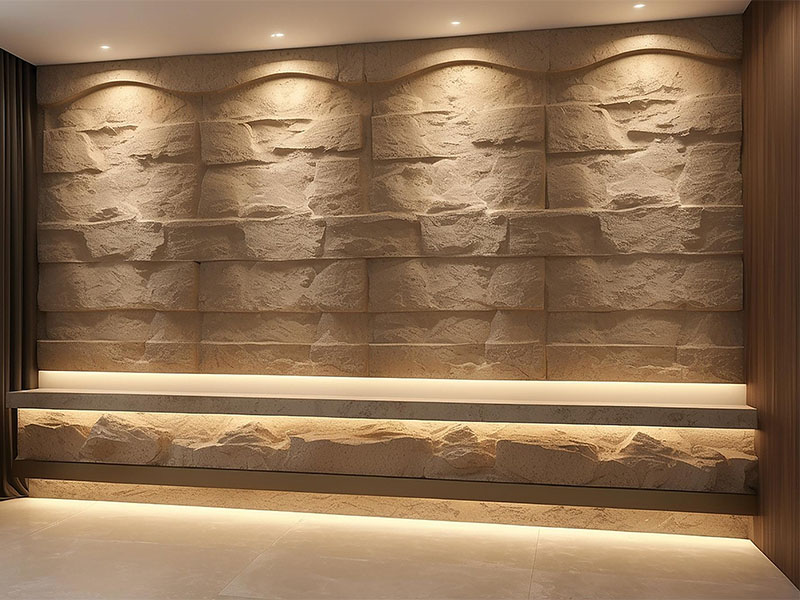
If there is ever a time when you are seeing two structures put up more than a decade apart and you are thinking to yourself Why does one of them still have a glorious look while the other structure has been weathered down or fallen apart, it is mostly because of the quality of the stones themselves used to develop these buildings in the first place. Many builders believe that foreign inputs are of superior quality, but if one does a comparative analysis of the good quality stone wall cladding materials that can last for years in intense weather and climates, it becomes quite evident that Indian sandstone stone products made from Rajasthan stone are one of the best products available at one of the lowest prices possible.
Stone Wall Cladding: Why Local Sourcing Changes the Outcome
There's a practical reason Rajasthan sandstone performs the way it does, and it isn't just marketing. The stone is quarried from arid regions that see extreme heat in summer and sharp cold at night, so the material has effectively been "trained" by its own climate to expand and contract without cracking. Imported stones often quarried in cooler, wetter parts of the world don't always carry that same resilience once they're installed in Indian conditions. They can look fantastic on day one and then start showing hairline cracks or discoloration within a few monsoon seasons.
Durability That Doesn't Rely on Sealants
Sandstone from Rajasthan has a natural density and low porosity that many imported variants simply don't match. That matters more than people realize, because a lot of imported cladding stone needs repeated sealing and chemical treatment to stay weatherproof. Skip a maintenance cycle, and you'll see staining or moss creeping in within a year or two. Rajasthan sandstone, on the other hand, holds its finish with far less babysitting. It's not maintenance-free nothing natural really is but the gap in upkeep between the two is noticeable enough that clients bring it up unprompted.
The Real Cost of Stone Wall Cladding
Freight, customs duties, and handling fees stack up fast on imported stone, and those costs get passed straight to the client. Rajasthan sandstone skips most of that chain entirely. You're paying for the material and the craftsmanship, not six weeks of shipping and paperwork. Anyone budgeting a large stone wall cladding order across an entire housing society or commercial facade will notice the difference add up quickly, sometimes running into lakhs by the time a project wraps. And because the supply chain is shorter, replacement pieces are easier to source if a panel gets damaged during construction, which happens more often than people admit.
A Palette That Actually Suits Indian Architecture
While durability is an essential characteristic in choosing stone for construction, you cannot ignore the way the color of the stone resonates with the existing structures in the Indian states. The different shades of sandstone from Rajasthan, for instance, namely Dholpur beige, Jodhpur pink, and Kota brown, are all geographical gifts to society, which means they blend perfectly with the architecture of the region. Anything else being brought in from outside would probably look somewhat out of place architecturally since its natural tones would be less effective than light warm Indian tones in these buildings. This often results in architects looking for local stone for their buildings inspired by the tradition or modern desert style after comparing the stones.
Sourcing Stone Wall Cladding Through The Stone Evolution
This portion is often where companies disclose broad obligations. However, we believe in being specific. The Stone Evolution has strong partnerships with quarries in Rajasthan, so that clients can get constant batch quality instead of slabs matching certain quality standards, which were acquired from different middlemen. Every purchase is checked for thickness tolerance and finish before leaving the facility of Stone Evolution. What's more, the company’s staff can advise clients on the type of stone wall cladding that perfectly suits their climate zone and building orientation.
What This Means for Your Next Project
If durability, cost, and visual harmony with the surrounding architecture all matter to you, Rajasthan sandstone is worth putting at the top of the shortlist before imported alternatives. It performs well in Indian conditions because it was formed in them, and that's not something a marketing brochure can replicate. Projects that lean on it tend to age gracefully instead of needing a facelift five years in.