

Natural Stone Wall Cladding Tiles in Udaipur
The Stone Evolution manufactures and supplies natural stone wall cladding tiles for interior walls, exterior facades, commercial spaces, and outdoor areas. Each tile is cut from natural stone quarried in Rajasthan, finished by hand, and sized for direct installation on any wall surface. If you want the texture and depth of solid stonework without the weight, cost, or structural load of full masonry, natural stone wall cladding tiles are the practical alternative.
What Are Natural Stone Wall Cladding Tiles
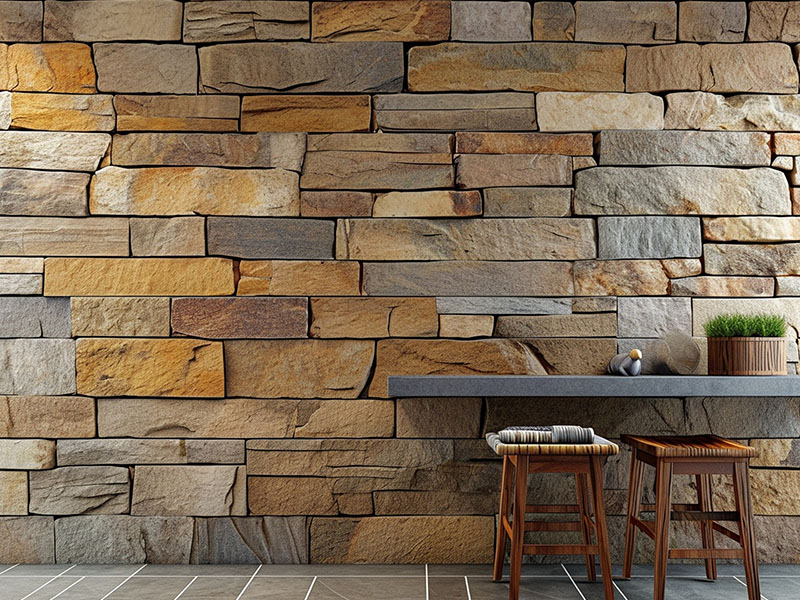
Natural stone wall cladding tiles are thin panels or tiles cut from solid stone and fixed onto a wall surface as a decorative and protective layer. Unlike full stone masonry, cladding tiles are lightweight, easier to install and far more affordable, while still showing the same natural grain, colour variation and texture as the parent stone. They are fixed using adhesive or a mechanical fixing system, depending on the stone type, tile thickness and whether the application is interior or exterior.
Types of Natural Stone Used for Wall Cladding
The Stone Evolution works with a range of natural stones, each suited to different looks and applications:
- Sandstone cladding tiles in earthy tones, commonly used for exterior facades and boundary walls.
- Slate cladding tiles with a layered, textured surface, popular for accent walls and outdoor features.
- Quartzite cladding tiles known for high durability and a subtle shine, suited to both interior and exterior use.
- Limestone cladding tiles with a smoother, more uniform finish for interior feature walls.
Each stone is available in multiple finishes, including natural cleft, honed and split face, so the final texture can be matched to the design of the space.
Applications of Natural Stone Wall Cladding Tiles
Interior Walls
Cladding tiles are commonly used on living room feature walls, bedroom headboards, hallways and reception areas. The natural texture adds depth to a space without the need for paint, wallpaper or artificial panelling.
Exterior Facades
Natural stone is weather-resistant by nature, which makes it suitable for exterior walls exposed to sun, rain and temperature changes. It requires no repainting and holds its colour for years compared to painted or synthetic cladding.
Outdoor Areas and Gardens
Cladding tiles are also used on garden boundary walls, outdoor seating areas, planters and water features, giving outdoor spaces a natural, grounded look that blends with landscaping.
Commercial Spaces
Hotels, restaurants, office lobbies and retail storefronts use natural stone cladding to create a strong first impression. The material works with both traditional and contemporary interior designs, which makes it a flexible choice for commercial fit-outs.
Benefits of Natural Stone Wall Cladding Tiles
- Durability: Natural stone resists wear, impact and weathering far better than most artificial cladding materials.
- Low maintenance: Occasional cleaning and periodic sealing are enough to keep the surface looking new.
- Heat and weather resistance: Suitable for exterior use in varying climates without cracking or fading.
- Unique appearance: No two tiles are identical, so every wall has natural variation instead of a repeated pattern.
- Better insulation: Stone cladding adds a layer of thermal insulation to interior and exterior walls.
- Long-term value: A one-time investment that adds resale and rental value to residential and commercial properties.
How to Choose the Right Natural Stone Cladding for Your Space
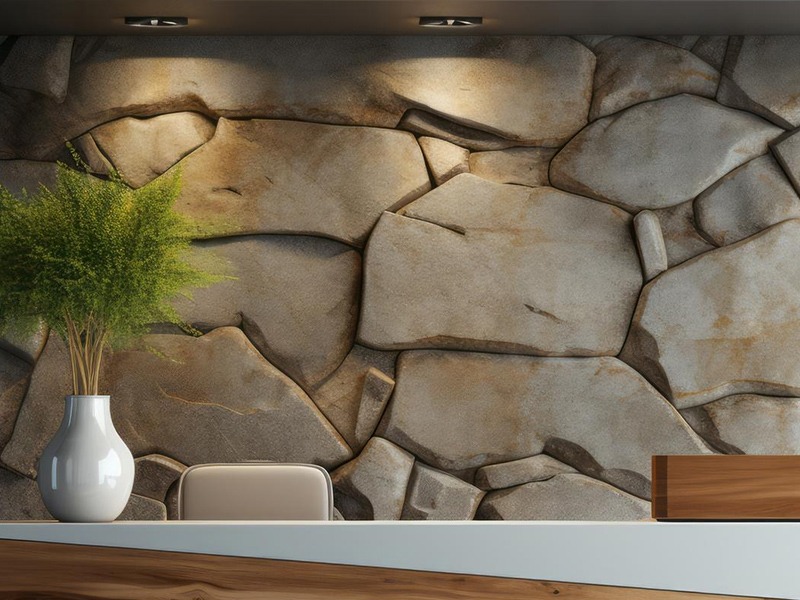
The right stone depends on where it will be installed. For exterior facades and outdoor areas, sandstone and quartzite are preferred for their weather resistance. For interior feature walls, slate and limestone offer a finer texture suited to indoor lighting. Tile thickness should also be checked against the wall's load-bearing capacity, and finish (natural cleft, honed or split face) should be selected based on whether the space needs a rustic or a refined look.
Cost of Natural Stone Wall Cladding Tiles
Pricing for natural stone wall cladding tiles depends on the stone type, tile thickness, finish, and order quantity. Sandstone and limestone options are generally the most budget-friendly, while quartzite sits at the higher end due to its density and finishing process. Thicker tiles and hand-finished textures such as natural cleft or split face also add to the cost compared to machine-honed surfaces. Because The Stone Evolution sources and processes stone directly in Udaipur, pricing stays competitive even on bulk and project-scale orders. For an accurate quote, factors like coverage area, transport location, and finish should be shared with our team directly.
Natural Stone Cladding Tiles vs Other Popular Cladding Materials
Natural Stone Cladding Tiles
- Appearance: Unique, natural variation
- Durability: Lasts for decades and resists weathering.
- Maintenance: Low, with only occasional sealing required.
- Weight: Moderate.
- Best For: Facades, feature walls and outdoor applications.
- Long-Term Value: High, as it enhances property value and lasts for many years.
Artificial / PU Stone Panels
- Appearance: Repetitive, moulded pattern.
- Durability: Can fade and crack over time.
- Maintenance: Low, but colours may fade with age.
- Weight: Very light.
- Best For: Budget-friendly indoor accent walls.
- Long-Term Value: Low, as replacement may be needed over time.
Ceramic Tile Cladding
- Appearance: Uniform, printed texture.
- Durability: Can chip under impact.
- Maintenance: Moderate, with regular grout upkeep.
- Weight: Light.
- Best For: Budget interior spaces.
- Long-Term Value: Moderate.
Installation and Maintenance
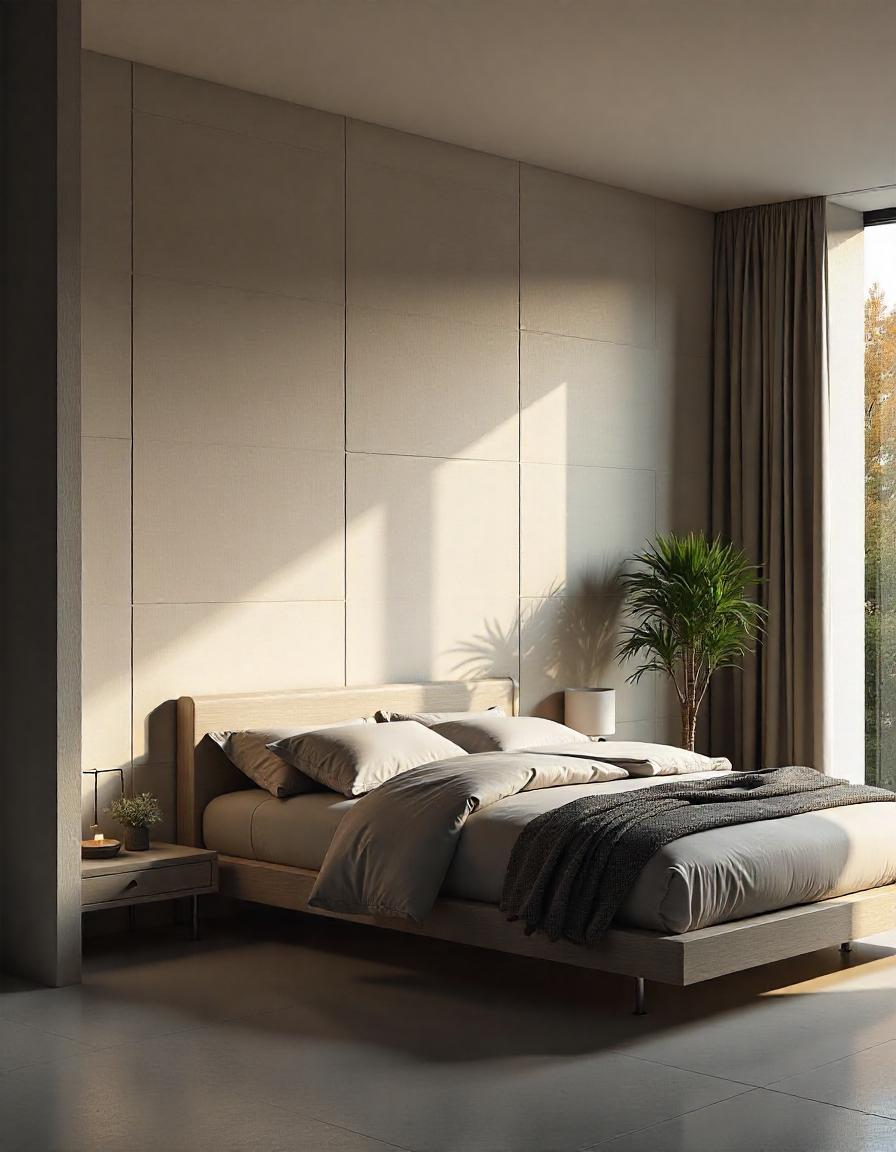
Installation involves surface preparation, application of adhesive suited to the stone type, tile placement with proper alignment, and grouting. Exterior installations may require additional sealing to prevent moisture penetration. Once installed, cladding tiles need only periodic cleaning with mild soap and water, along with resealing every few years to maintain their finish and colour.
Where We Supply Natural Stone Wall Cladding Tiles
Being based in Udaipur, Rajasthan, gives The Stone Evolution direct access to some of India's most established stone quarries and processing units. This lets us dispatch natural stone wall cladding tiles across major cities including Jaipur, Ahmedabad, Mumbai, Delhi NCR, Bengaluru and Hyderabad, along with custom orders for hotels, builders and interior design studios across India. Bulk project orders, sample kits and site visits can be arranged for architects, contractors and homeowners planning large-scale facade or interior cladding work.
Why Choose The Stone Evolution
The Stone Evolution is based in Udaipur, one of the primary natural stone sourcing and processing regions in India. Being close to the quarries means tighter quality control, more consistent stock and pricing without multiple middlemen. We supply cladding tiles for residential, commercial and outdoor projects across India, with customisation available on stone type, size and finish based on project requirements.
Contact us for pricing, samples or a site-specific recommendation.