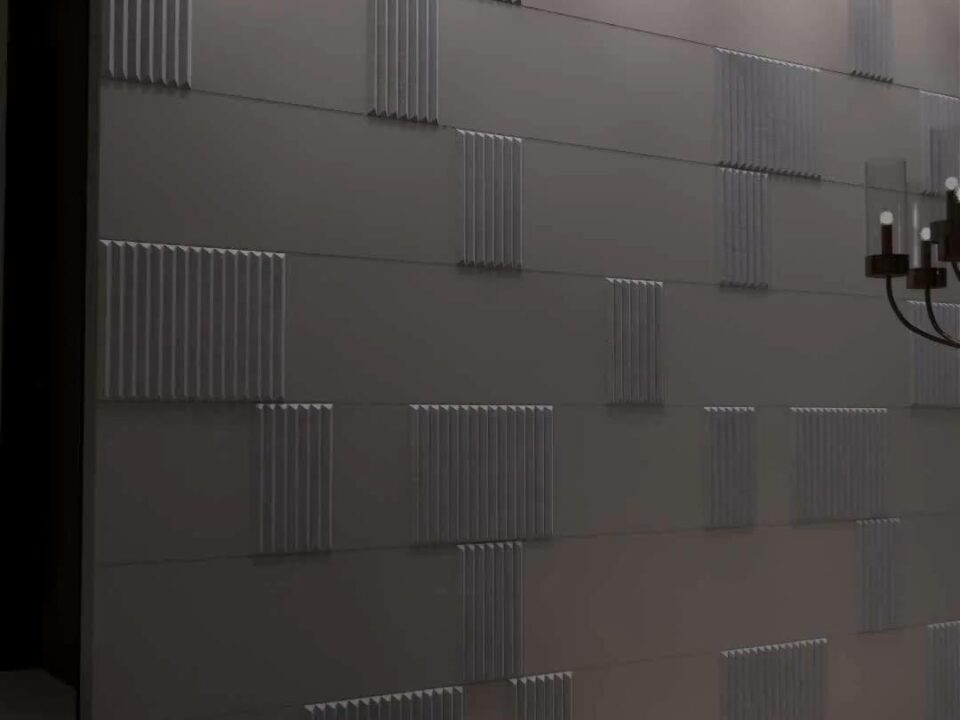
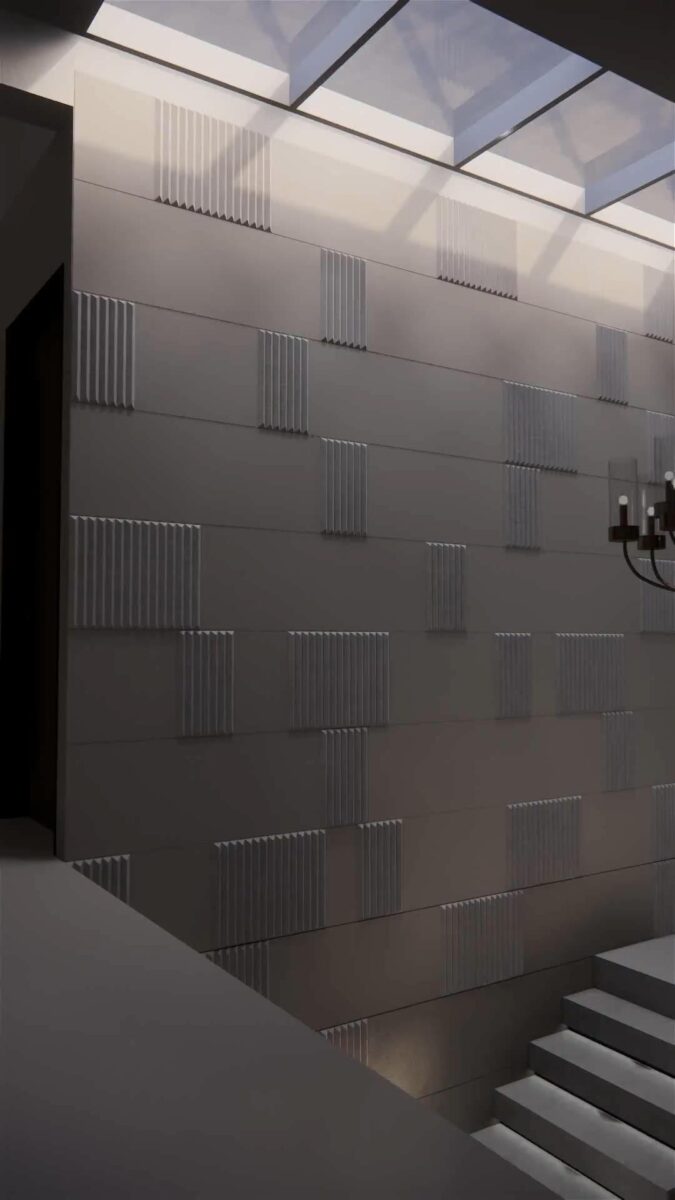
Drive down a busy road in Udaipur or Jaipur and you'll spot it immediately two buildings, finished maybe five years apart, looking like they belong to different decades. Vehicle exhaust, construction dust, industrial fallout- it all lands on exterior walls constantly, and most people don't clock how much of the outcome was decided way back at the design stage. Get the natural stone wall cladding tiles right for a heavy-traffic site and the facade holds up with minimal fuss. Get it wrong and you're scheduling pressure-washes on a building that isn't even out of warranty yet. For anyone planning something in a dense urban pocket, the finish deserves more thought than it usually gets.
Why Natural Stone Wall Cladding Tiles Struggle in Polluted City Air
Pollution isn't just settling dust. It's soot, sulfur compounds, fine grit the kind of stuff that works its way into a stone's pores over months, not days. Light stones darken. Dark ones streak, unevenly, usually near roofline edges and window ledges where rain runoff drags the grime along with it. Porous finishes soak up more of this, which is the real reason facades in industrial or high-traffic zones start looking worn within a few years, even when the stone behind the finish hasn't lost any structural integrity. Nobody blames the finish, but it's carrying most of the load.
Finishes That Actually Hold Up
Every finish reacts differently once pollution enters the picture. Honed stone has fewer deep pores than tumbled or rough textures, so there's less for particulates to cling to. Polished finishes seal almost everything, which sounds great until you notice how much more visible water spots become after a good rain. Some clients love it anyway, some can't stand it. Flamed and bush-hammered textures photograph beautifully but hold onto dust in their grooves, which means more frequent washing if you want them to keep looking the way they did on day one. It's genuinely a tradeoff, and the "right" answer depends on how much upkeep someone's willing to sign up for.
What to Look For When Choosing Natural Stone Wall Cladding Tiles
In a heavy-pollution corridor, density matters just as much as the finish on top of it. Granite and certain quartzites resist staining better than sandstone or untreated limestone, and the reason is fairly simple: a tighter grain structure just doesn't let as much soak in. Sealant is the other half of this, and it's where a lot of projects quietly fall short, because people treat it as something you apply once and forget. A penetrating sealer works from inside the pores instead of sitting on top, and it needs reapplying on a schedule, not "eventually." Skip that step and a perfectly good stone choice starts losing its edge within a couple of years anyway.
Maintenance That Actually Matters
Even a strong finish needs a little help along the way. Plain water, rinsed over exterior stone every few months, keeps pollutants from settling in permanently, especially true near busy roads. Acidic cleaners are worth avoiding when possible, since they strip sealants and etch certain stone types, quietly undoing whatever resistance the finish had built up. A soft brush and a pH-neutral cleaner, applied consistently, beats one aggressive deep-clean session every single time. The owners who stick with light, regular maintenance keep their original stone tone for years longer than the ones who wait until the staining's already visible from the street.
Where The Stone Evolution Fits In
Sourcing is where we put most of our attention, honestly, because it matters just as much as the finish someone picks later. The Stone Evolution works directly with quarries to select slabs with consistent density and mineral makeup, since that consistency is what quietly decides how well a piece of stone stands up to city pollution years down the line. Every batch gets checked for finish quality before it leaves for a site where nobody's installing something and hoping for the best. On a demanding urban project, that groundwork tends to be the difference between a facade that ages well and one that needs redoing before the decade's out.
Facades Built to Age Well, Not Just Look Good on Day One
Pollution in cities isn't easing up anytime soon, so a facade material chosen without that reality in mind is going to disappoint faster than expected. The combination that works is almost boring in its simplicity: the right finish, denser stone, and a maintenance routine someone actually sticks to. Getting natural stone wall cladding tiles right from the start still holds up as one of the more durable choices for high-exposure environments, and it just needs the finish decision made properly, up front, rather than fixed two years in when the staining's already visible.