
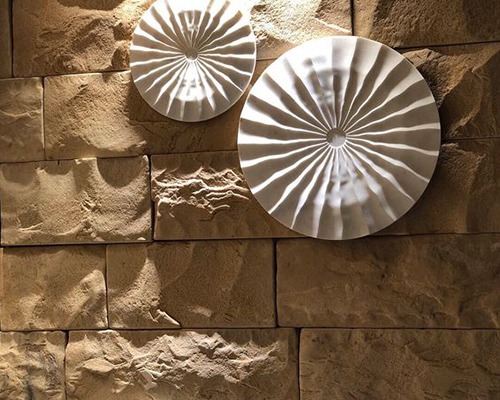
Sandstone is a stone that is very easy to carve due to its soft texture, but that same softness can lead to its rapid wear if appropriate care is not taken. Besides, since sandstone is porous, it can allow moisture, dirt, and algae to penetrate its surface. Therefore, if you choose to use natural stone carving ideas in constructions like a garden wall or a temple door, you need to plan proper maintenance after cutting the stone, as its deep cuts will be able to hold dirt while a flat stone will not.
Protecting the detail in natural stone carving ideas
Over the course of our visits, we have happened upon many different sculptures that looked good at first – only to begin to lose their sharp edges with each passing week. No one ever has to take extreme measures; just let one of the residents overzealously scrub their stone surface or wash it down every week. The majority of natural stone carving queries that we receive relate to etching and thin grooves – this is precisely the area where aggressive cleaning does its deed. The worst offenders are wire brushes, closely followed by pressure washers used from short distances.
Cleaning carved sandstone without scrubbing it to death
Start with a dry brush. Such brush bristles are made of soft natural materials and also an old toothbrush to reach narrow spaces to take away dust and loose dirt before they are mixed with water. The next step is to use plain water to wet the rock. When the stone is dampened with water, the cleaner will not penetrate deeply. Apply the stone cleaner with a pH-neutral level according to the instruction to be applied on small piece of surface working with the brush along the carved lines. Before cleaning the stone, rinse it with a hose.
Green or black colors are mostly algae or lichens. There is no short solution to deal with these stains – a diluted biocide product for natural stones can be applied as well, but it takes a long time to work. Remember to avoid using bleach or acid. The acid will destroy the structure of the stone and make sharp edges not sharp anymore.
Sealing natural stone carving ideas that live outdoors
Don’t seal damp stone. Give it at least two days to dry, longer after a wet spell; otherwise the moisture gets locked in and the surface starts to flake.
Select a vapour-permeable penetrating sealer, which is typically based on silane or siloxane, not a glossy coating applied on the surface. Sandstone has to breathe, so using a film layer would prevent moisture escape. Apply a thin coating and be careful with the deep cuts, as these tend to pool the liquid sealer, causing dark areas. After a couple of minutes, remove the excess sealer. Anyone planning on natural stone carvings in public spaces should now write down the resealing date in their calendar, as even the best sealers don't last under sunlight and rain.
The mistakes we keep seeing
Pressure washers held too close. Acid cleaners. Sealing over dirt, which only locks it in. Film-forming sealers that trap water behind them. And drainage, which people forget about completely. A sprinkler hitting one side of a carving every morning will undo a lot of careful work, however good the sealer is.
Keeping natural stone carving ideas sharp for years
You should dust the carving every few weeks and rinse it every year. Every spring, test the surface with a few drops of water. If it beads on the surface, the sealer is still intact. If it absorbs quickly and the stone gets dark, you need to apply a new coat of sealer. Most outdoor products need sealing every three to five years, but shaded and wet areas age faster than bright sunny ones.
Why choose The Stone Evolution
When we create our pieces, we keep their care in mind because it can be a surprise how many clients do not consider this point. When we have new clients who have cutting-edge ideas they found on vacation or in magazines, we always first check what will suit the surroundings and only then discuss the finishing. We give care instructions with every piece, so the clients can rely on us and not waste time guessing what kind of sealer to purchase. Finally, we have also finished a range of older pieces, and therefore we can easily help them.
Before you pick up a brush
In the end, the maintenance of carved sandstone is rather simple – brush it off gently, allow the stone to air-dry, apply a breathable sealant, and inspect it yearly. It's that simple! If you are seeking environmentally-friendly stone carving options in your region, The Stone Evolution will be happy to help. Please contact us with a message about your intentions.
